Streamlining Creativity with 3D Digital File Organization Service
In today’s fast-paced digital world, creators, designers, and businesses often juggle multiple projects that involve a wide range of file formats. When it comes to 3D design, the complexity increases due to the layered nature of these files and the variety of software used in their creation. That’s where a 3D Digital File Organization Service becomes invaluable. This service helps users manage, organize, and streamline their 3D digital assets for better workflow efficiency and project success.
What is a 3D Digital File Organization Service?
A 3D Digital File Organization Service refers to tools or platforms that assist individuals and teams in sorting, categorizing, and storing 3D design files. These services are especially useful when working on web development, app design, UI/UX projects, posters, banners, or social media promotions that may require elements created in 3D environments.
The primary goal of such a service is to eliminate the chaos associated with managing numerous digital assets. It allows you to keep all your 3D models, textures, animations, and related files in one accessible place—organized by project, date, type, or custom tags. This not only saves time but also ensures consistency across your creative outputs.
Why Use a 3D Digital File Organization Service?
Here are some key reasons why professionals and hobbyists alike should consider using this kind of service:
- Improved Efficiency: Quick access to files reduces downtime and keeps your workflow moving smoothly.
- Collaboration Made Easier: Team members can easily locate and use the correct versions of 3D files without confusion.
- Version Control: Track changes and revisions effectively, which is essential for large-scale or long-term projects.
- Asset Reusability: Organized files make it simple to reuse components across different designs or campaigns.
- Scalability: Whether you’re handling one small project or managing an entire portfolio, the service adapts to your needs.
Features and Characteristics
A robust 3D Digital File Organization Service typically includes the following features:
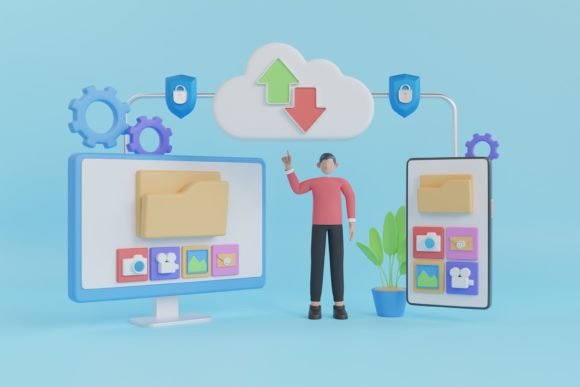
- Cloud-Based Storage: Files can be accessed from anywhere, making remote work and collaboration seamless.
- Search Functionality: Find specific 3D models or textures quickly using keywords, tags, or metadata.
- Automated Tagging: The system automatically assigns relevant labels based on content or user-defined criteria.
- Thumbnail Previews: Visual representations of 3D assets help in quick identification without opening each file.
- Export Options: Most services allow exporting files in common formats like JPG and PNG, suitable for web, app, and social media use.
- Integration with Design Tools: Compatibility with software like Blender, SketchUp, Maya, or Adobe Dimension enhances usability.
These characteristics ensure that the service is more than just a storage solution—it acts as a centralized hub for managing complex 3D workflows.
Who Benefits from Using It?
This service is particularly beneficial for a wide range of users:
- Graphic Designers: Those who create visual content for websites, apps, or marketing materials often need to incorporate 3D elements efficiently.
- Web and App Developers: Managing 3D assets for interactive interfaces requires organization to maintain performance and aesthetics.
- UI/UX Creators: Ensuring a consistent and polished look in 3D-enhanced user experiences depends on well-structured asset management.
- Business Owners: Companies involved in product design, advertising, or online branding benefit from streamlined processes and faster delivery times.
- Freelancers and Small Teams: With limited resources, staying organized is crucial for meeting deadlines and maintaining quality.
Real-World Applications
Let’s take a closer look at how a 3D Digital File Organization Service can be applied in various scenarios:
1. Social Media Promotion
When preparing promotional material for platforms like Instagram, Facebook, or LinkedIn, having ready access to high-quality 3D renderings in JPG or PNG format is essential. A well-organized system ensures that visuals are always up-to-date and ready for upload, helping maintain brand consistency and saving hours of searching through folders.
2. Web Development Projects
Developers working on 3D-integrated websites, such as virtual showrooms or interactive portfolios, can leverage the service to store and retrieve assets like models and textures. This makes it easier to implement changes and test new ideas without disrupting the overall project timeline.
3. Poster and Banner Design
Designers creating eye-catching posters or banners for events or advertisements often use 3D elements to add depth and dimension. An organized file structure ensures that these assets are readily available and properly categorized for quick editing and deployment.
4. App Development
Mobile apps with 3D graphics, such as gaming or AR (Augmented Reality) applications, require precise asset management. A 3D Digital File Organization Service can help developers and artists stay aligned, reducing errors and improving productivity.
Strengths and Practical Considerations
While the benefits of using a 3D Digital File Organization Service are clear, there are also several strengths and limitations worth considering:
Strengths
- User-Friendly Interfaces: Most services offer intuitive dashboards that simplify navigation and file management.
- Customization: You can tailor the organization method to suit your project requirements, whether by client, theme, or platform.
- Security: Cloud-based systems often include encryption and backup options to protect valuable digital assets.
- Cost-Effective: Many services operate on a subscription model, making them affordable for solo creators and growing teams alike.
Considerations and Limitations
- Storage Costs: While most plans start affordably, larger storage needs may increase expenses significantly.
- Learning Curve: Some users might find it challenging to transition from traditional folder structures to a cloud-based organizational system.
- Compatibility Issues: Not all platforms support every 3D file format, so it's important to check compatibility before choosing a service.
- Internet Dependency: Since many services are cloud-based, they require a stable internet connection for full functionality.
Despite these factors, the advantages generally outweigh the challenges, especially when integrated into daily creative routines.
How to Choose the Right Service for Your Needs
Selecting the right 3D Digital File Organization Service involves evaluating a few key aspects:
- Determine Your File Types: Do you primarily work with .obj, .fbx, .glb, or other 3D formats? Ensure the service supports them.
- Assess Collaboration Needs: If multiple team members will access the files, look for real-time syncing and version control features.
- Check Export Capabilities: Confirm the ability to export in formats like JPG or PNG for cross-platform use.
- Evaluate Storage Limits: Choose a plan that accommodates both current and future project growth.
- Review User Interface: Opt for a platform with a clean, easy-to-navigate layout to minimize learning time.
- Look for Integration Options: Seamless integration with your existing design tools can enhance workflow efficiency.
By matching your project requirements with the features offered by a 3D Digital File Organization Service, you can ensure a smoother and more productive creative process.
Putting It All Into Practice
To illustrate how this works in practice, let’s imagine a designer working on a new mobile app. They’ve created several 3D icons and interface elements using specialized software. Without proper organization, finding the latest version of each asset could become a frustrating task. However, with a 3D Digital File Organization Service, they can:
- Upload all 3D files into a single library.
- Tag each file by its function (e.g., "navigation button," "character model").
- Set permissions for team members accessing the files.
- Export final assets in JPG or PNG format for use in the app’s interface.
This level of organization translates to faster iterations, fewer errors, and a more professional outcome.
Final Thoughts
In conclusion, a 3D Digital File Organization Service isn’t just a luxury—it’s a necessity for anyone working with 3D design elements. Whether you're crafting engaging web content, designing a sleek app interface, or promoting products through visually rich social media posts, having a reliable system to manage your files can transform your workflow from chaotic to controlled.
As technology continues to evolve, the demand for structured, efficient digital asset management will only grow. By investing time in understanding and utilizing a 3D Digital File Organization Service, you’re setting yourself up for success in any creative endeavor involving three-dimensional design.