3D Design Illustration Photographer: Enhancing Creativity with 3D Cartoon Characters
In the evolving world of digital content creation, the role of a 3D Design Illustration Photographer has become increasingly valuable. This unique blend of illustration and photography techniques enables creators to generate high-quality visual assets that are both engaging and versatile. Whether you're an entrepreneur designing marketing materials, a blogger enhancing your posts, or a small business owner looking for eye-catching visuals, understanding how this field can be leveraged is essential.
What Is a 3D Design Illustration Photographer?
A 3D Design Illustration Photographer specializes in creating stylized, three-dimensional illustrations using digital tools and rendering techniques. Unlike traditional photographers, they work within virtual environments to craft scenes, characters, and objects that can be manipulated and posed without physical constraints. The result is a set of images that combine artistic creativity with technical precision—ideal for projects requiring consistent, scalable, and customizable visuals.
The term "photographer" here refers more to the ability to capture and compose these 3D models in a way that mimics real-world photography. This includes lighting, perspective, composition, and even motion blur, all generated through software like Blender, Maya, or ZBrush. These professionals often collaborate with designers, marketers, and developers to produce assets suitable for websites, apps, branding materials, educational content, and more.
Key Characteristics and Practical Value
- Customizability: A 3D Design Illustration Photographer can modify every aspect of a scene—from character expressions to background elements—allowing for tailored visuals that align perfectly with brand identity or project needs.
- Scalability: Once a model is created, it can be reused and reposed across different platforms and resolutions. For example, a cartoon character can appear in a social media post, a product packaging design, or a video game asset seamlessly.
- Time Efficiency: While initial setup may require effort, once a character or environment is modeled and rigged, generating new poses or variations becomes significantly faster than starting from scratch each time.
- Transparent Backgrounds: One of the most useful features of 3D rendered illustrations is their compatibility with transparent backgrounds. This allows for easy integration into various layouts and designs without needing additional editing.
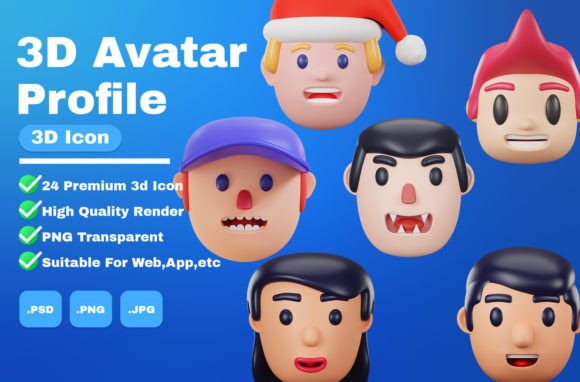
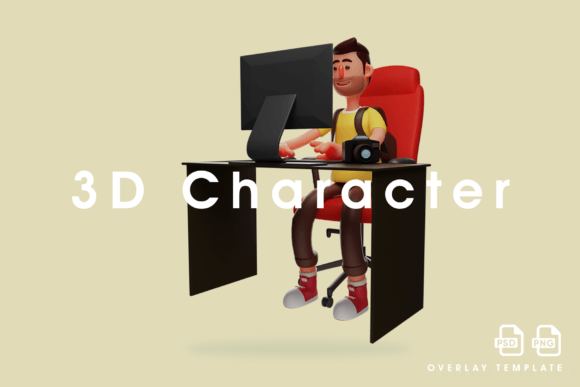
For instance, consider a collection of 3D cute cartoon designs featuring a female waiter in multiple poses. These can be used to illustrate a food delivery app interface, create branded merchandise, or even serve as storyboarding assets for animated videos. The key lies in the photographer's ability to render these characters with attention to detail while maintaining a cohesive aesthetic across all variations.
Real-World Applications and Use Cases
Professionals in several fields can benefit from the work of a 3D Design Illustration Photographer. Here are some practical applications:
- Marketing and Advertising: Brands use 3D characters to build personality-driven campaigns. A cute cartoon waiter can represent a restaurant franchise in promotional material, adding charm and relatability.
- Educational Content: Teachers and instructional designers incorporate 3D illustrations to explain complex concepts in a visually appealing and digestible format.
- App and Web Development: UI/UX designers leverage 3D illustrations to enhance user interfaces, making them more dynamic and engaging. Transparent PNG files, such as those found in 5760×3240 px resolution zipped packages, are particularly useful for overlays and interactive elements.
- Product Packaging: Retailers and e-commerce businesses use 3D characters to make their products stand out on shelves or online listings.
- Content Creation for Blogs and Social Media: Bloggers and influencers can use 3D cartoon illustrations to add visual interest to their posts, especially when explaining scenarios or telling stories.
When evaluating the effectiveness of 3D cartoon characters, it's important to consider how well they communicate the intended message. A well-designed character, such as a professional yet approachable waiter in various poses, can subtly convey themes of service, hospitality, and friendliness, depending on the context.
Quality and Usability Considerations
High-resolution output, like the 5760×3240 px PNG files mentioned earlier, ensures that images remain sharp and clear even when scaled up. Transparency adds another layer of usability, enabling seamless placement over any background or color scheme. However, quality also depends on the skill level of the 3D Design Illustration Photographer and the rendering process itself.
Usability is further enhanced by file organization and naming conventions. When downloading a zip file containing multiple poses, having clearly labeled assets makes it easier to locate and apply them effectively. This is crucial for users who might need specific actions or expressions for different contexts.
Some illustrators provide rigging details or animation-ready models, which extend the life of the asset beyond static imagery. This flexibility is invaluable for creators working on multimedia projects or aiming to repurpose content for future use.
Strengths and Limitations
The strengths of working with a 3D Design Illustration Photographer include:
- Consistent character design across all poses
- Ability to adapt colors, lighting, and environments post-render
- Support for both flat and layered file formats for design flexibility
- Long-term value due to scalability and reusability
However, there are limitations to consider. The initial modeling and rendering phase requires time and expertise. Not all users will have the resources to commission custom 3D work. Fortunately, many creators offer pre-made libraries or templates, such as the 3D cartoon character pose collections described, which allow for quick access to high-quality assets.
Another limitation is the potential for overuse. While 3D cartoon characters are charming and versatile, they should be applied strategically rather than excessively. Their effectiveness diminishes if they don't align with the tone or purpose of the content they accompany.
Who Benefits Most from These Assets?
Certain audiences derive greater value from 3D Design Illustration Photography:
- Marketers: Looking to develop branded content that stands out in a crowded market.
- Freelance Designers: Needing ready-to-use assets for client projects, especially in web or mobile design.
- Bloggers and Publishers: Wanting to enrich articles with visual storytelling elements.
- Entrepreneurs: Seeking cost-effective ways to present their product ideas or services in a compelling manner.
- Small Business Owners: Aiming to build a unique brand identity with minimal budget.
- Game Developers: Requiring character assets for concept art or low-poly game development.
If your workflow involves regular graphic design tasks or you're developing a platform where visual appeal is key, incorporating these types of assets can streamline your creative process and elevate your final output.
Recommendations for Effective Use
To get the most out of 3D Design Illustration Photography, consider the following tips:
- Use in Context: Ensure the character’s style and expression match the message of your project. A whimsical waiter may not fit a corporate presentation but could thrive in a children’s educational app.
- Optimize File Sizes: Even though high-resolution PNGs are excellent for quality, always compress them before publishing online to maintain fast load times.
- Combine with Real Elements: Blend 3D characters with real-world photos or vector graphics for a balanced and modern look.
- Test Across Platforms: Before finalizing, preview the assets on different devices and screen sizes to ensure they display correctly and retain clarity.
When selecting a 3D Design Illustration Photographer or sourcing pre-made assets, evaluate their portfolio for consistency in style and quality. Look for signs of attention to detail, such as realistic shadows, smooth textures, and natural movement in poses. These traits indicate a professional who understands the nuances of creating believable yet stylized characters.
Assessing Long-Term Value
One of the most overlooked aspects of 3D Design Illustration Photography is its long-term value. Unlike stock photos that may feel outdated after a few years, 3D characters can be updated or reimagined easily. If a brand wants to refresh its image, a skilled photographer can adjust colors, outfits, or expressions without remaking the entire character from scratch.
This adaptability makes it a smart investment for companies planning to scale their visual content strategy. Additionally, having access to a variety of poses—like the ones included in a downloadable ZIP file—means fewer dependencies on external design teams or repeated commissions for similar artwork.
Conclusion and Final Thoughts
As digital content continues to play a central role in communication and engagement, the contributions of a 3D Design Illustration Photographer become increasingly relevant. Their ability to produce detailed, flexible, and high-quality illustrations offers a powerful tool for a wide range of industries and purposes.
If you’re looking for 3D cute cartoon designs that bring creativity and functionality to your work, consider exploring curated collections like the one described. These sets often provide a broad range of expressions and actions, allowing for diverse application in marketing, education, or entertainment. Always assess the fit between the character's design and your target audience to maximize impact.
Ultimately, whether you're commissioning original 3D work or using existing assets, the goal remains the same: to enhance your message through compelling visual storytelling. With the right approach and resources, the 3D Design Illustration Photographer can be a vital ally in achieving that objective.