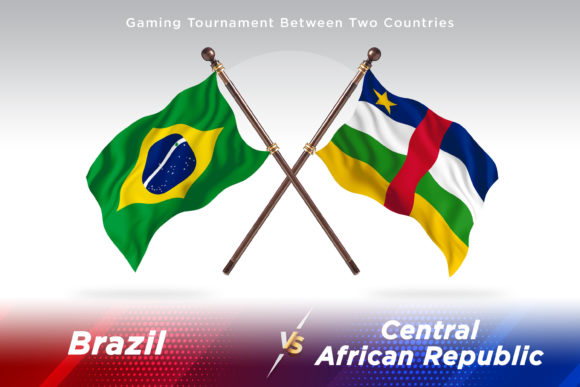
Brazil Versus Central African Two Flags: A Comparative Overview of Country Flag Illustrations
Country flags serve as powerful symbols of national identity, heritage, and pride. When designing visual content that incorporates these symbols—such as in the concept of "Brazil Versus Central African Two Flags"—it's essential to understand not only the cultural significance behind each flag but also the technical aspects involved in their representation. This article explores the design elements, practical applications, and considerations when working with country flags, particularly focusing on a high-quality illustration featuring Brazil and one of the Central African nations.
The Significance of National Flags in Design
National flags are more than just colorful graphics; they carry deep historical and political meanings. In graphic design projects, especially those involving international themes or comparisons, accurate and respectful use of flags is crucial. The illustration titled "Brazil Versus Central African Two Flags" offers an excellent opportunity to explore how these symbols can be creatively integrated while maintaining their integrity.
This type of design often finds its place in marketing materials, educational presentations, geopolitical reports, and even artistic compositions. It allows for a clear visual contrast between two countries, helping viewers grasp differences in culture, geography, or economic status at a glance.
Understanding the Flags
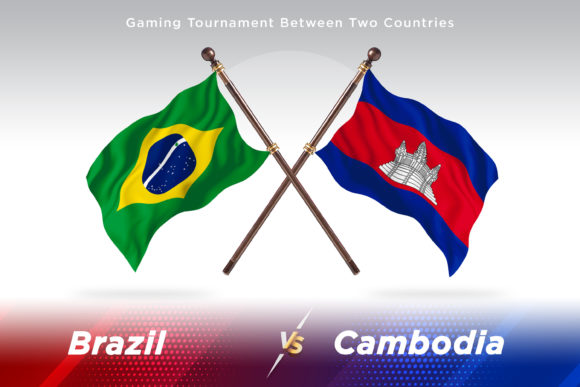
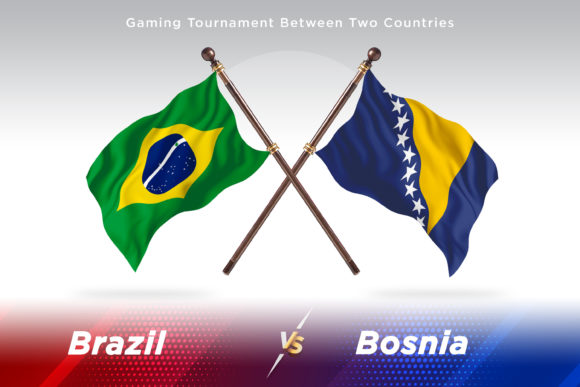
Each flag in the illustration represents a unique nation and its values. The Brazilian flag, for instance, features a green field symbolizing the country’s forests, a yellow diamond representing wealth, and a blue circle with white stars and a banner that stands for the sky, constellations, and national motto. On the other hand, the Central African flag typically includes colors like red, blue, and yellow, which may denote unity, peace, and natural resources respectively, depending on the specific nation being represented.
When using these flags in an isolated background illustration, it becomes easier to highlight individual elements without distraction. The 3D waving position adds dynamism to the composition, making it visually engaging and suitable for a wide range of media formats.
Technical Features of the Illustration
For designers looking to create compelling visuals, having access to high-resolution assets is vital. The "Brazil Versus Central African Two Flags" illustration comes in multiple formats to suit different needs:
- PSD File (4500 x 3000 px): Provides full layer control, allowing for easy customization through smart objects.
- JPEG Format: Ideal for web use and print-ready outputs due to its compressed yet high-quality nature.
- PNG File: Offers transparency, perfect for overlaying flags onto various backgrounds or integrating into digital designs.
These files ensure flexibility across platforms and industries. Whether you're creating a presentation for educators or promotional material for business owners, the right format will help maintain clarity and professionalism.
Layer Organization and Smart Object Editing
A well-organized PSD file is a designer's best friend. In this illustration, each flag is placed on its own layer with the proper name, making it simple to adjust size, color, or positioning without affecting the rest of the design. Additionally, the use of smart objects ensures that any modifications remain non-destructive, preserving the original quality of the flag graphics.
This level of detail is particularly useful for creators who want to personalize the design or combine it with other elements. For example, a researcher might want to add statistical data overlays next to each flag, while a business owner could integrate company branding for a comparative campaign.
Use Cases for the Two Flags Illustration
The versatility of the "Brazil Versus Central African Two Flags" illustration makes it suitable for a variety of applications. Here are some common use cases where such a resource would prove valuable:
- Marketing Campaigns: Use the flags to represent two distinct markets or regions in promotional content. The isolated background allows for seamless integration into banners, posters, or social media posts.
- Educational Materials: Educators can leverage this design to teach students about geography, politics, and cultural differences. The flags act as visual anchors for discussions on global issues.
- Event Branding: For events like sports competitions, trade fairs, or international conferences, the flags can be used to emphasize the participating nations or the event’s theme.
- Design Templates: Creators can use the flags as part of broader templates for presentations, infographics, or website headers, especially when dealing with topics related to globalization or regional contrasts.
In all these scenarios, the ability to edit the flags via smart objects streamlines the workflow, enabling quick adjustments without compromising the final output’s quality.
Real-World Relevance and Practical Understanding
Flags are often used to simplify complex ideas, such as political alliances, trade relationships, or cultural exchanges. The "Brazil Versus Central African Two Flags" illustration captures this essence by providing a clean, organized way to present two nations side by side. This can be especially helpful in fields like journalism, where visual storytelling plays a key role in conveying information effectively.
For instance, a news outlet covering environmental policies in both regions might use this illustration to introduce a segment comparing Brazil’s Amazon conservation efforts with those of a Central African nation. Similarly, a travel blog promoting cultural tours could showcase the flags to illustrate the diversity of experiences available in each country.
Considerations for Accurate Representation
While the illustration provides a strong foundation, there are several considerations to keep in mind when incorporating flags into your design:
- Cultural Sensitivity: Ensure that the use of the flags aligns with the context and does not inadvertently cause offense. Flags should never be manipulated in ways that trivialize their meaning.
- Accuracy of Details: Double-check the colors, proportions, and symbols of each flag to avoid misrepresentation. Even minor inaccuracies can lead to confusion or criticism.
- Legal Usage: Be aware of copyright and trademark laws, especially if the design is to be used commercially. While many official flags are public domain, certain stylized versions may require permission.
- Accessibility: Consider how the flags appear in grayscale or for individuals with color vision deficiencies. Providing alternative text or descriptions can enhance accessibility in digital contexts.
These considerations apply whether you're a hobbyist experimenting with design software or a professional producing content for clients. Proper attention to these details reinforces credibility and demonstrates respect for the cultures being represented.
Expanding the Design with Additional Flags
If the project requires including more flags beyond Brazil and the selected Central African nation, the illustration can easily be expanded. The bundle allows for requests to include additional Official Country Flags from all over the world, ensuring that the design remains relevant and inclusive regardless of the audience or purpose.
Adding flags from other continents—such as Europe, Asia, or South America—can further enrich the visual narrative, especially in projects that aim to highlight global connections or disparities. Each new flag should ideally be added in the same high-quality, layered format to maintain consistency and ease of editing.
Advantages of Using Isolated Background Illustrations
Isolated background illustrations offer several advantages for both novice and experienced designers:
- Flexibility: With no distracting background, the flags can be adapted to any setting—whether bright and bold or subtle and minimalistic.
- Professional Quality: High-resolution images ensure crisp printing and sharp digital displays, making them ideal for professional-grade projects.
- Scalability: The large canvas size (4500 x 3000 px) allows for zooming in or resizing without loss of detail, accommodating everything from billboards to mobile screens.
- Customization: Thanks to smart objects and organized layers, users can modify the flags’ appearance, position, or effects with ease.
These benefits make the "Brazil Versus Central African Two Flags" illustration a valuable asset for anyone aiming to produce polished, informative, and culturally respectful content.
Best Practices for Incorporating Flags in Visual Content
To maximize the effectiveness of flag-based illustrations, consider the following best practices:
- Use consistent sizing and orientation for all flags to maintain balance in the composition.
- Ensure sufficient spacing between flags to prevent overcrowding and improve readability.
- Complement the flags with relevant text, icons, or data points to provide context and enhance understanding.
- Test the design in both color and black-and-white to confirm visibility and impact across different mediums.
By adhering to these guidelines, you can create visuals that are not only aesthetically pleasing but also meaningful and functional. The illustration serves as a starting point, and thoughtful execution will elevate the final result.
Conclusion and Final Thoughts
The "Brazil Versus Central African Two Flags" illustration exemplifies how country flags can be used creatively and responsibly in design. Its structured layout, high resolution, and editable components make it a versatile tool for professionals and enthusiasts alike. By understanding the cultural weight behind each flag and applying sound design principles, users can craft compelling visuals that inform, inspire, and engage audiences globally.
Whether you’re preparing a presentation for an academic symposium, designing a logo for a multinational brand, or simply exploring creative possibilities, this illustration offers a solid foundation. And with the option to expand the collection by adding other flags, the potential for diverse and impactful designs is nearly limitless.