3D Illustration of Online Data Storage
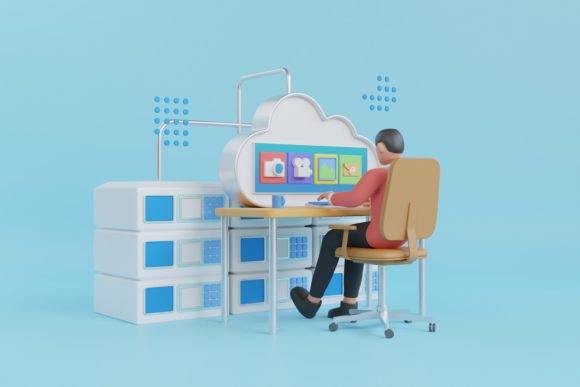
Visual storytelling has become an essential part of digital communication, and one of the most compelling ways to represent complex ideas is through 3D illustration. A 3D Illustration of Online Data Storage offers a vivid and engaging way to depict how data is stored, accessed, and secured in the cloud. Whether you're designing for a website, app interface, marketing campaign, or educational material, this type of illustration can simplify technical concepts and make them more relatable to your audience.
What Is a 3D Illustration of Online Data Storage?
A 3D illustration of online data storage typically features stylized representations of servers, clouds, interconnected networks, and data points. These visuals are designed to convey the idea of digital storage without relying on literal depictions. Instead, they use abstract forms, color gradients, and dynamic layouts to communicate accessibility, security, and scalability — all key aspects of modern cloud-based solutions.
Such illustrations often include elements like floating cubes symbolizing files, glowing connections representing network speed, and layered structures showing data encryption. The goal is not only to look aesthetically pleasing but also to guide the viewer’s understanding of how online data systems work. This makes it especially useful for professionals who need to explain technology to non-technical audiences in a clear and creative way.
Creative Possibilities with 3D Data Storage Illustrations
The beauty of a 3D Illustration of Online Data Storage lies in its adaptability. Here are some creative directions you can take when incorporating these visuals into your projects:
- Minimalist Style: Clean lines and subtle shading can create a modern, professional feel suitable for corporate websites or whitepapers.
- Futuristic Vibe: Use neon colors, glowing effects, and smooth transitions to suggest cutting-edge technology — perfect for tech startups or SaaS platforms.
- Playful Interpretation: Add whimsical elements like animated icons, floating emojis, or cartoon-style characters to appeal to younger audiences or casual users.
- Realistic Representation: For technical audiences, a highly detailed 3D model of a server room or encrypted data flow can add authenticity and depth to your message.
These variations allow you to tailor the illustration to match the tone and purpose of your project. A designer working on a mobile app might prefer something sleek and simple, while a marketer promoting cybersecurity services could benefit from a more dramatic and secure-looking visual.
Applications Across Different Design Projects
3D illustrations are incredibly versatile. Let's explore how they can be used across various formats and industries:
Websites and Landing Pages
For businesses offering cloud storage or IT services, using a 3D Illustration of Online Data Storage can help break up long blocks of text and draw attention to key features. Place it near sections about security, backup options, or user access to reinforce the message visually. A well-placed illustration can improve user engagement and help potential customers grasp what your service does at a glance.
UI/UX Design
In user interfaces, especially those related to file management or cloud integration, 3D illustrations can enhance navigation and usability. They provide intuitive cues that help users understand where their data is stored or how different functions connect. Consider using them in tutorials, infographics, or as background elements in dashboards to maintain a cohesive and informative design language.
Social Media and Marketing Campaigns
When promoting digital products or services, a strong visual identity is crucial. A 3D illustration of online data storage can serve as the central theme for a social media series, helping you maintain brand consistency. Use it in banners, Instagram posts, LinkedIn articles, or YouTube thumbnails to instantly communicate the concept of cloud-based solutions.
Print and Digital Posters
Posters are a great medium to showcase the scale and complexity of online data systems. With 3D illustration, you can highlight themes like data migration, multi-device access, or global connectivity. The visual impact helps viewers absorb information quickly, making it ideal for trade shows, conferences, or educational institutions.
Educational Content and Presentations
Whether you're creating slides for a classroom or a webinar, 3D illustrations can simplify abstract topics. They help learners visualize how data moves between devices and servers, which is especially valuable in explaining concepts like remote backups, hybrid storage, or API integrations. Pairing the illustration with concise text ensures clarity and reinforces learning outcomes.
How to Adapt the Illustration for Different Goals
One of the strengths of 3D illustration is its flexibility. Here’s how different types of creators can customize it to suit their needs:
- Entrepreneurs and Startups: Use the illustration to demonstrate your product's value proposition. Highlight unique selling points such as real-time syncing, AI-driven organization, or eco-friendly hosting.
- Marketers and Advertisers: Align the visual style with your brand guidelines. Choose colors and shapes that reflect your company's personality — whether it's bold and innovative or calm and trustworthy.
- Bloggers and Content Creators: Incorporate the illustration into blog headers or infographic content. It adds a touch of professionalism and can increase time spent on page by making your content more scannable and engaging.
- Freelancers and Design Agencies: Offer clients a range of styles and formats (like JPG and PNG) to ensure the illustration fits seamlessly into any design context. You can even create themed versions for different industries — healthcare, finance, gaming, etc.
- Small Business Owners: Use the illustration to support your digital transformation narrative. Show it during client meetings or embed it in promotional materials to build confidence in your tech capabilities.
Practical Tips for Using 3D Data Storage Illustrations
To get the most out of your 3D Illustration of Online Data Storage, consider these best practices:
- Keep It Simple: Avoid overloading the illustration with too many details. Focus on the core message you want to deliver, such as reliability, speed, or security.
- Maintain Consistency: If you’re using multiple illustrations in a project, ensure they follow a similar artistic style and color palette to create a unified experience.
- Optimize for Platform: When using the illustration on websites or apps, ensure it’s responsive and scales well across devices. For print, check resolution and aspect ratio to avoid distortion.
- Pair with Clear Copy: Visuals are powerful, but they should complement your written message. Use short, impactful phrases that align with the illustration’s intent.
- Test the Reaction: Before finalizing the use of the illustration in a public-facing project, test it with a small audience to see if it effectively communicates the intended message.
Real-World Inspiration and Project Ideas
Here are a few real-world examples and project ideas to spark your creativity:
Cloud-Based Education Platform
Imagine an e-learning site where each course is represented as a glowing orb within a 3D data storage system. As users progress, orbs light up and connect to show completed modules and knowledge pathways. This approach not only looks stunning but also provides a clear visual indicator of user progress.
Marketing a Backup Service
Use a 3D illustration to show data being securely transferred from a laptop to a cloud. Add motion-like blur and subtle animations to suggest continuous protection. Pair it with a tagline like “Your Files, Always Safe” to reinforce trust and reliability.
Infographic for a Tech Conference
Create a timeline illustration that shows the evolution of data storage from physical drives to today’s advanced cloud infrastructure. Each era can be represented by a different section of the 3D model, making it easy to compare and contrast advancements.
Mobile App Onboarding Screen
Design an interactive 3D scene where users click on parts of the illustration to learn about different app features. For example, clicking on a server cube reveals info about data centers, while selecting a connection line explains how the app syncs across devices.
Why JPG and PNG Matter
When you download a 3D Illustration of Online Data Storage, you typically receive it in JPG and PNG formats. Both have their advantages depending on your use case:
- JPG: Ideal for backgrounds, large banners, or web pages where file size is important. Its compressed format loads faster, which is beneficial for SEO and user experience.
- PNG: Perfect for graphics that require transparency or sharp edges, such as UI components, logos, or icons. It preserves high detail and color accuracy, making it great for print and professional designs.
Always choose the format that best suits your platform and purpose. If you're unsure, keep both versions handy so you can adapt the illustration to different contexts easily.
Final Thoughts on Creative Application
A 3D Illustration of Online Data Storage isn’t just about looking good — it’s about communicating clearly and creatively. Whether you're a designer building an app interface, a marketer crafting a new campaign, or an educator developing a presentation, this tool can elevate your message and make it more accessible.
Remember to stay true to your audience. A playful version may resonate better with hobbyists, while a polished, realistic illustration will speak louder to enterprise clients. The right choice can turn a complex topic into something everyone can understand — and remember.