Unlocking Creativity with Abstract 3D Design of Gradient Style
In the ever-evolving world of design, staying ahead of trends is essential for professionals, entrepreneurs, and creatives across industries. One of the most captivating and versatile styles emerging in recent years is the Abstract 3D Design of Gradient Style. This artistic approach blends the fluidity of gradients with the depth and dynamism of three-dimensional elements to create visually stunning and emotionally engaging graphics. Whether you're a digital marketer looking to enhance your brand's visual identity or a freelance designer seeking unique assets for your portfolio, understanding this style can open new creative avenues.
What Is Abstract 3D Design of Gradient Style?
The Abstract 3D Design of Gradient Style refers to a modern visual technique that uses gradients—smooth transitions between two or more colors—to form abstract shapes and patterns in a three-dimensional space. These designs are often characterized by their use of overlapping elements, subtle shadows, and vibrant color blending, which together create an illusion of depth and motion. The result is a graphic that feels both futuristic and organic, making it highly adaptable for various applications.
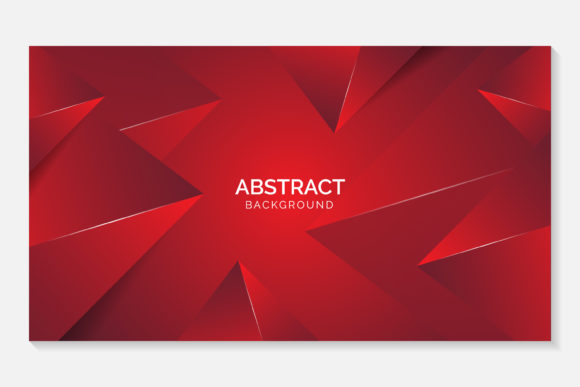
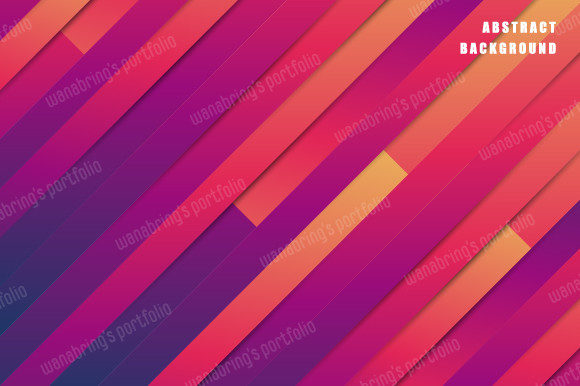
This style is typically crafted using vector-based software like Adobe Illustrator, allowing for scalability and precision. A common example includes an abstract 3D design of gradient decorative pattern artwork, where intricate geometric forms interact with soft color transitions to produce a sense of rhythm and balance. Such designs are frequently used as background illustrations, especially when paired with a shadowed or layered composition to emphasize spatial relationships.
Relevance in Today’s Creative Landscape
The rise of the Abstract 3D Design of Gradient Style reflects broader shifts in how we perceive and interact with digital content. As audiences become more visually sophisticated, there is a growing demand for designs that are not only aesthetically pleasing but also conceptually rich. This trend aligns with the increasing popularity of minimalism, motion design, and immersive user experiences in web and app development.
Businesses and brands are particularly drawn to this style because it allows them to communicate innovation and creativity without being overtly literal. In marketing materials, website headers, or mobile app interfaces, the overlapping with shadow background effect adds a layer of sophistication that captures attention while maintaining a clean and modern look.
Why This Design Trend Is Gaining Attention
Several factors have contributed to the rising interest in Abstract 3D Design of Gradient Style:
- Visual Appeal: Gradients add vibrancy and movement to static images, making them more eye-catching and memorable.
- Adaptability: These designs work well across platforms—from digital banners to print materials—without losing quality thanks to vector formats.
- Brand Differentiation: In a saturated market, unique visual identities help brands stand out. Abstract 3D graphics offer a way to innovate in branding and advertising.
- Technical Advancements: Improved tools and rendering capabilities have made it easier than ever to experiment with 3D effects and complex gradients, lowering the barrier to entry for many designers.
Moreover, the illustration vector format of these designs ensures that they remain crisp at any size. For instance, a high-resolution version such as 580px x 386px can serve as a compelling preview for digital campaigns or social media posts. Importantly, these graphics are provided in editable formats like EPS10, giving users the freedom to modify size, shape, and color after purchase. This flexibility is crucial in meeting the specific needs of different projects and client requirements.
Changing Needs and Expectations in Design
Modern consumers expect more from the visual content they encounter online. Static images no longer suffice; instead, they seek dynamic, layered compositions that evoke emotion and tell stories. This shift has pushed designers to explore new techniques, including the integration of 3D and gradient elements into their workflows.
Additionally, the rise of remote collaboration and digital-first strategies has increased the need for scalable, high-quality design assets. With Abstract 3D Design of Gradient Style, creators can deliver visuals that maintain integrity across all devices and screen sizes. This makes it a preferred choice for UI/UX designers, web developers, and marketers who require consistent and impactful imagery for multiple platforms.
Practical Applications and Use Cases
Let’s explore some real-world examples of how Abstract 3D Design of Gradient Style is being utilized:
- Website Headers: Many modern websites feature full-screen headers with abstract 3D backgrounds. These provide a sense of motion and energy without distracting from the content.
- Mobile App Interfaces: The smooth transitions and layered aesthetics of gradient 3D designs make them ideal for app onboarding screens or splash pages.
- Social Media Assets: Brands leverage these designs to create cohesive and visually striking campaigns that resonate with younger, tech-savvy audiences.
- Print and Packaging: Though digital-centric, this style translates well to physical media. It adds a contemporary edge to product packaging, posters, and promotional materials.
- Corporate Presentations: When used sparingly, abstract 3D gradient designs can elevate the professionalism of slides while reinforcing key themes or moods.
One popular variation is the Abstract 3D design of gradient decorative pattern artwork, which serves as a subtle yet powerful backdrop. These patterns are often composed of overlapping elements with shadow effects, creating a sense of depth that enhances the overall composition. Unlike traditional flat designs, they invite viewers to engage more deeply with the content, offering a tactile-like experience through visual means.
Technological Synergy and Future-Proof Design
As technology continues to evolve, so too does the potential of Abstract 3D Design of Gradient Style. With the advent of AI-powered design tools and enhanced rendering engines, creating and customizing these types of graphics is becoming faster and more intuitive. This synergy between art and technology enables designers to push creative boundaries and deliver high-quality results efficiently.
Furthermore, the move toward responsive and adaptive design in web development reinforces the importance of scalable vectors. An illustration vector like the one described—resolution 580px x 386px—can be easily resized and restructured to fit different screen dimensions, ensuring that the design remains effective regardless of the platform it appears on.
For those investing in original graphics, the availability of ZIP files containing both EPS10 editable and JPEG formats offers unparalleled versatility. Designers can edit the vector file for precise customization while also having access to a ready-to-use raster image for immediate deployment.
Embracing the Trend Responsibly and Effectively
While the Abstract 3D Design of Gradient Style is undeniably popular, its effective use requires thoughtful implementation. Overuse or poor execution can lead to cluttered visuals that undermine the message or functionality of a project. Therefore, it's important to consider context, audience, and purpose before integrating these designs into your workflow.
Here are some best practices to keep in mind:
- Use gradients and 3D elements to complement—not overshadow—key messages.
- Balance complexity with readability, especially in user-facing interfaces.
- Test designs across different devices and lighting conditions to ensure consistency.
- Leverage the overlapping with shadow background technique to guide the viewer’s eye and establish hierarchy.
- Customize color schemes to align with brand guidelines or emotional tone.
By following these principles, you can harness the power of Abstract 3D Design of Gradient Style to create compelling, professional visuals that resonate with your target audience.
Conclusion: A New Era of Visual Expression
The Abstract 3D Design of Gradient Style represents more than just a fleeting trend—it’s a reflection of our evolving relationship with digital content and visual storytelling. As creators and businesses strive to connect with audiences in meaningful ways, this design approach offers a fresh, forward-thinking solution that bridges artistry and functionality.
With its blend of motion, depth, and color, the Abstract 3D design of gradient decorative pattern artwork provides endless possibilities for innovation. Whether you're looking to revamp your brand's aesthetic or simply expand your creative toolkit, this style deserves serious consideration.
Remember, the best designs are those that adapt and grow with your needs. That’s why choosing a vector graphic with editable features—like EPS10—ensures long-term usability and relevance. So next time you’re designing for the web, mobile, or print, think about how a gradient-style 3D abstract design could bring your vision to life.