Understanding the Use of Black Abstract Backgrounds in 3D Design
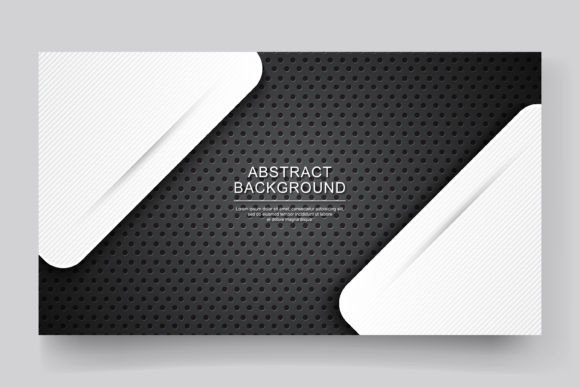
A black abstract background on 3D design refers to a non-representational visual backdrop that features dark tones and complex, artistic shapes or textures. These backgrounds are often used in digital art, graphic design, and 3D modeling projects to enhance the focal point of an image while adding depth, contrast, and mood. The term “abstract” implies that the background does not depict any realistic scene but instead uses geometric patterns, fluid forms, or other stylized elements to create a visually engaging yet neutral environment.
In the realm of 3D design, such backgrounds serve multiple purposes. They can act as a canvas for showcasing intricate models, help emphasize lighting and shadow effects, or contribute to the overall aesthetic by aligning with the theme of the project. Whether you're designing for print, web, or multimedia presentations, choosing the right background is crucial for conveying your message effectively.
Why Consider a Black Abstract Background for Your 3D Design?
Designers often turn to black abstract backgrounds when they want to focus attention solely on the 3D object or character in the foreground. A dark, abstract backdrop helps eliminate distractions, allowing viewers to concentrate on the details, colors, and textures of the main subject. This is especially useful in portfolio pieces, product renderings, and concept art where clarity and impact are key.
Another reason someone might be interested in using this type of background is its versatility. Black abstract designs can complement a wide range of color palettes and themes—modern, futuristic, mysterious, or even dramatic. They also provide a strong foundation for experimenting with lighting, reflections, and layering effects in 3D software.
Additionally, these backgrounds are ideal for minimalist or high-tech aesthetics. In industries like tech, gaming, or fashion, where sleek and sophisticated visuals are preferred, a black abstract background can add a sense of professionalism and innovation without overpowering the content.
Benefits and Tradeoffs of Using a Black Abstract Background
Advantages:
- Enhanced Focus: By reducing visual clutter, a black abstract background ensures that the 3D model remains the central element.
- Mood Setting: Dark tones can evoke emotions such as elegance, seriousness, or mystery, which may align with the intended tone of your project.
- Compatibility: It works well with vibrant colors and metallic textures, making it suitable for both realistic and stylized 3D work.
- Professional Appeal: Many industries favor clean, bold backdrops to convey modernity and sophistication.
Potential Drawbacks:
- Limited Context: If your design requires environmental context or storytelling through the background, a purely abstract option may fall short.
- Color Contrast Challenges: While black provides strong contrast, it can sometimes make lighter-colored objects appear less defined or washed out if not properly lit.
- Overuse Risk: Relying too heavily on black abstract backgrounds across all your designs can lead to a monotonous look, especially in branding or marketing materials.
Key Considerations When Choosing a Black Abstract Background
Before incorporating a black abstract background into your 3D design, consider the following factors:
- Project Purpose: Is your goal to highlight the 3D object’s form and texture, or do you need to show it within a specific setting? For example, a product rendering for a luxury brand would benefit from a sleek black abstract background, whereas an architectural visualization might require a more contextual environment.
- Target Audience: Think about who will be viewing the design. A professional audience may appreciate the clean, uncluttered look of a black abstract background, while a general audience might find it less relatable unless paired with clear visual cues.
- Software Compatibility: Ensure that the file formats provided (such as AI, EPS, and JPEG) are compatible with your 3D design tools. Vector formats like AI and EPS offer scalability, while JPEG is best suited for raster-based applications.
- Lighting and Composition: Since black absorbs light, you must carefully manage the lighting setup in your 3D scene to avoid losing detail in the shadows. Proper composition techniques can balance the darkness and maintain visual interest.
When a Black Abstract Background is a Strong Fit
A black abstract background excels in several scenarios:
- Portfolio Displays: Artists and designers frequently use this style to showcase their 3D models in a way that highlights craftsmanship and creativity without distracting elements.
- High-End Product Photography: In e-commerce and advertising, black abstract backgrounds are common for premium products like electronics, watches, or jewelry to create a luxurious feel.
- UI/UX Mockups: When presenting user interface concepts or app designs, a black abstract background can simulate a dark mode or futuristic setting.
- Concept Art and Game Assets: For game developers and concept artists, these backgrounds help visualize characters, weapons, or environments in a dramatic and stylized manner.
When Alternatives May Be Better
While a black abstract background is powerful, it isn’t always the best choice. Here are some situations where alternatives could be worth considering:
- Contextual Storytelling: If your 3D design needs to tell a story or sit within a world (e.g., a character in a fantasy landscape), a more detailed or colorful background may be necessary.
- Brand Guidelines: Some brands have established color schemes or visual identities that don't align with a dark, abstract palette. Always adhere to brand standards when applicable.
- Print Applications: In certain print contexts, a white or neutral-toned background may be required for technical reasons or readability, particularly in catalogs or instructional materials.
- Accessibility Concerns: High-contrast combinations are important for accessibility. If your 3D model has low contrast against black, it may not be suitable for audiences requiring ADA compliance or other accessibility standards.
Practical Insights for Decision-Making
Choosing the right background for your 3D design involves understanding both the technical and creative aspects of your project. Here are some practical insights to guide your decision:
- Test Multiple Options: Don’t settle on the first background you see. Try different abstract variations to determine which one enhances your design the most.
- Use Layer Masks and Blending Modes: Experiment with how the background interacts with your 3D model. Adjusting blending modes or applying gradients can subtly integrate the two components for a more cohesive look.
- Consider Lighting First: Before finalizing the background, ensure your lighting setup complements the dark tones. Soft shadows and subtle highlights can prevent the design from appearing flat or lifeless.
- Evaluate File Formats: If you're working in vector-based software like Adobe Illustrator, having the background in AI or EPS format allows for easy customization and scaling. JPEG versions are useful for quick previews or raster-based workflows.
- Seek Feedback: Show your design to colleagues or target users. Their input can reveal whether the background supports or detracts from the overall message.
Final Thoughts on Black Abstract Backgrounds in 3D Design
The use of a black abstract background in 3D design is a strategic choice that can significantly influence how your work is perceived. When applied correctly, it enhances visual clarity, adds depth, and reinforces a modern aesthetic. However, it's essential to weigh its benefits against potential limitations based on your specific goals and audience.
If you're looking for high-quality options to incorporate into your next project, resources like those available at CLton Studio offer a variety of downloadable files in AI, EPS, and JPEG formats. These allow for flexibility in editing and application across different platforms and design styles.
Ultimately, the effectiveness of a black abstract background depends on how well it serves your design intent. Take time to evaluate your needs, test various options, and choose the backdrop that best supports your vision.