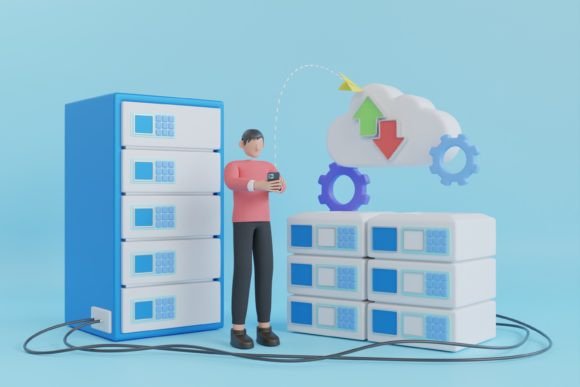
Understanding 3D Servers and Datacenter Connection for Modern Design Projects
In today’s digital-first world, visual representation plays a key role in how we communicate ideas—especially in the fields of web design, app development, UI/UX, marketing, and social media. One powerful tool that has gained traction among designers is 3D Servers and Datacenter Connection imagery. These designs offer an engaging and realistic way to showcase complex infrastructure concepts in a simple, intuitive format. Whether you're working on a presentation, website layout, or promotional material, using these types of visuals can significantly enhance your message and make your project stand out.
What Are 3D Servers and Datacenter Connection Designs?
At their core, 3D Servers and Datacenter Connection designs are stylized representations of server hardware and data communication networks rendered in three dimensions. These images typically include elements like:
- Individual servers with glowing lights and detailed casings
- Data lines connecting multiple units to show network flow
- Racks, cooling systems, and other datacenter components
- Abstract representations of cloud computing and internet connectivity
This type of design isn’t just for technical professionals. It's also widely used in creative industries to explain IT infrastructure visually. The goal is to create an immersive experience that helps users understand how digital systems work without needing deep technical knowledge.
Why Use 3D Server and Datacenter Visuals in Your Projects?
The rise of 3D visualization in tech and design is no accident. Here are several reasons why incorporating 3D Servers and Datacenter Connection graphics into your work can be beneficial:
- Enhanced Clarity: Abstract concepts like data routing, cloud storage, and server architecture become much easier to grasp when presented in a 3D context.
- Professional Aesthetic: High-quality 3D renderings add a polished, modern look to your presentations, websites, or marketing materials.
- Brand Credibility: Using advanced visuals signals professionalism and technical competence, especially if you're in the IT or SaaS space.
- Engagement Boost: Eye-catching 3D graphics can capture attention more effectively than flat illustrations or text alone.
These benefits make 3D server and datacenter visuals a go-to resource for agencies, freelancers, and in-house design teams alike.
Applications Across Different Platforms
One of the best parts about 3D Servers and Datacenter Connection designs is their versatility. You can use them across various platforms and mediums, including:
- Websites: Explain backend processes or services through interactive or static 3D images.
- Apps: Integrate visuals into onboarding screens or educational sections for users.
- UI/UX Design: Create mockups for dashboards, control panels, or network monitoring tools.
- Posters and Banners: Use bold, colorful 3D compositions to grab attention at trade shows or online ad campaigns.
- Social Media Promotion: Share short videos or animated versions of the design to educate followers and drive engagement.
Each application takes advantage of the design's ability to simplify complex ideas. For example, a company offering cloud hosting might use a 3D datacenter image to illustrate how their service connects global users seamlessly. Or a startup pitching a new software solution could use it to demonstrate how their system interacts with existing infrastructures.
Choosing the Right File Format: JPG vs PNG
When you download a 3D Servers and Datacenter Connection design, you’ll often get it in either JPG or PNG formats. Both have their strengths depending on your needs:
JPG (Joint Photographic Experts Group):
- Ideal for high-resolution photos and images with gradients
- Smaller file size compared to PNG
- Best suited for backgrounds or large-scale displays where quality matters but load time is important
PNG (Portable Network Graphics):
- Supports transparency, making it perfect for overlays or icons
- Preserves sharp edges and details, which is great for infographics or diagrams
- Larger file sizes, so better for print or high-quality digital assets rather than fast-loading web content
For most digital projects, having access to both formats ensures you can adapt the design to different uses without compromising its impact.
How to Incorporate These Designs Into Your Workflow
Integrating 3D Servers and Datacenter Connection graphics into your workflow doesn't require advanced technical skills. Here are some practical steps to follow:
- Identify the Purpose: Decide what you want to communicate—cloud connectivity, server security, or network efficiency? This will guide your choice of imagery.
- Select Appropriate Assets: Choose a 3D design that aligns with your brand style and the platform you're using. Look for variations that include color schemes or layouts suitable for your needs.
- Edit and Customize: Use graphic design tools like Adobe Photoshop, Canva, or Figma to tweak colors, add logos, or overlay text for clarity.
- Optimize for Use: Convert the design into the right format (JPG or PNG) and adjust resolution for optimal performance on each platform.
- Test and Refine: See how the design looks on different devices and screen sizes. Make sure it remains clear and readable across all contexts.
Once optimized, these visuals can serve as a cornerstone in your digital storytelling, helping you connect with audiences in a meaningful way.
Real-World Examples of 3D Server and Datacenter Usage
To better understand the value of 3D Servers and Datacenter Connection visuals, let's look at a few real-world applications:
- Infographics: Tech companies often use 3D server visuals to explain the scale and complexity of their operations in a digestible format.
- Website Headers: Hosting providers may feature a dynamic 3D scene showing interconnected servers to highlight reliability and global reach.
- Social Media Posts: Short animations or still shots of datacenters can be used to introduce new products or features in a visually compelling way.
- Presentations: In investor pitches or internal meetings, 3D visuals help stakeholders visualize the technology behind the business model.
- App Onboarding: Startups in the SaaS industry use these designs to walk users through how their app connects to secure servers and databases.
By seeing these examples, it becomes clear that the right 3D design can bridge the gap between technical jargon and audience understanding.
Key Considerations When Choosing a 3D Server Design
Not all 3D server and datacenter visuals are created equal. Before downloading a design, consider the following factors:
- Resolution and Quality: Ensure the image is high enough resolution for your intended use—whether it’s for a poster, a mobile app, or a banner ad.
- Style Consistency: Pick a design that matches the tone and aesthetic of your project. Some are sleek and minimalist, while others are more illustrative and vibrant.
- Customization Options: Check if the design allows for easy modification, such as changing colors or adding branding elements.
- File Format Compatibility: Confirm that the available formats (like JPG and PNG) meet your technical requirements.
- Licensing Terms: Make sure you’re allowed to use the design commercially, if needed, and understand any restrictions that come with it.
These considerations ensure that the design not only looks great but also functions well within your specific context.
Maximizing Impact with 3D Server and Datacenter Imagery
Using 3D Servers and Datacenter Connection designs effectively goes beyond just placing them on a page. To maximize their impact, try combining them with other design elements:
- Text Overlays: Add concise, informative labels to individual servers or connections to guide the viewer’s eye.
- Color Grading: Adjust the overall color palette to match your brand identity or evoke a particular mood—such as trust, innovation, or speed.
- Layering Techniques: Place the 3D image over a subtle background pattern or gradient to create depth and focus.
- Animation Possibilities: If you're working with video or interactive content, animated versions of the design can bring your message to life.
With the right approach, these visuals can become a central part of your design strategy, enhancing user experience and simplifying technical communication.
Who Benefits Most from These Designs?
While 3D server and datacenter visuals are useful for many, certain industries and roles find them particularly valuable:
- IT Consultants: Use them to explain solutions to clients who aren’t technically inclined.
- Marketing Teams: Incorporate them into promotional materials to highlight technological capabilities.
- Web Developers: Showcase backend infrastructure in client proposals or project documentation.
- Design Agencies: Offer pre-made 3D assets as part of a toolkit for clients in the tech sector.
- Freelance Creators: Enhance portfolio pieces or pitch decks with professional-grade visuals.
No matter your field, there's likely a way to leverage these designs to improve your output and better engage your audience.
Getting Started with 3D Servers and Datacenter Connection Assets
If you're ready to start using 3D Servers and Datacenter Connection designs in your own projects, here’s how to begin:
- Download the Files: Obtain the JPG and PNG files provided with the design package.
- Open in Your Preferred Tool: Import the images into your design software for further customization.
- Resize and Adapt: Scale the design to fit your project’s specifications—be it for a smartphone screen or a billboard.
- Add Branding Elements: Overlay your logo, taglines, or call-to-action buttons to align the image with your messaging.
- Export for Use: Save the final version in the appropriate format for deployment on your chosen platform.
With minimal effort, you can transform raw 3D assets into impactful design elements that elevate your project's visual appeal and effectiveness.
Final Thoughts on 3D Server and Datacenter Visualization
As digital technologies continue to evolve, so do the ways we represent them visually. 3D Servers and Datacenter Connection designs provide a unique opportunity to convey complex ideas with simplicity and elegance. Whether you're building a website, creating a social media campaign, or designing an infographic, these assets can help you tell a more compelling story.
Remember to always consider your audience, your message, and your medium when choosing and applying these visuals. With the right balance of creativity and clarity, you can turn even the most technical topics into engaging, accessible content.