Envelope Invitation Card Dieline: A Must-Have Tool for Creative Projects
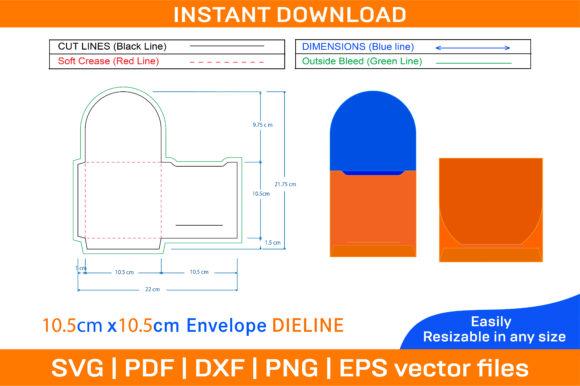
If you're into crafting, event planning, or product design, you've probably come across the term "dieline." But what exactly is an envelope invitation card dieline? Simply put, it's a template that outlines the exact shape and structure of your envelope or card before printing. It serves as a blueprint, ensuring your design folds and cuts correctly when brought to life on paper. Whether you're making custom invitations for a wedding, designing packaging for a small business, or just experimenting with creative ideas at home, having the right dieline can make all the difference.
Why You Need an Envelope Invitation Card Dieline Template
Let’s say you’re preparing a birthday party and want to send out unique invitations. You’ve got a beautiful design in mind, but without the proper envelope dieline, your vision might not translate well onto the final product. That’s where a ready-made envelope invitation card dieline template comes in handy. These templates are pre-designed so you don’t have to figure out the measurements or folding patterns yourself. Just customize the layout, add your text and images, and print — everything else is taken care of.
One of the most appealing aspects of these templates is their compatibility with various software like Photoshop, Illustrator, Silhouette Studio, Cricut Design Space, and AutoCAD. This means whether you're using basic design tools or more advanced ones, you can easily work with the files and bring your project to life. And since they’re vector-based (in formats like SVG, PDF, EPS, DXF, AI), you get crisp, high-quality prints no matter the size. The 300 dpi resolution ensures clarity and detail, especially important for professional-looking invitations or packaging materials.
Real-World Uses for Envelope Invitation Card Dielines
Here are some practical scenarios where an envelope invitation card dieline could be incredibly useful:
- Wedding Invitations: Couples often opt for personalized envelopes to match their theme. With a customizable dieline, you can design a matching envelope set that complements the card inside perfectly.
- Business Branding: Small business owners looking to create branded packaging for products like cards, brochures, or sample items will find a printable box template invaluable. It allows them to maintain brand consistency while reducing costs by DIY production.
- Event Planning: From baby showers to corporate conferences, planners use these templates to create cohesive designs for all printed materials, including foldable boxes for favors or giveaways.
- Education and Publishing: Educators and publishers may need to distribute course materials or books in custom folders. A foldable box template helps in creating durable, attractive storage solutions tailored to specific needs.
- Crafting Hobbies: For hobbyists who enjoy handmade gifts or scrapbooking, a 3D design envelope or box template opens up endless possibilities for personalization and creativity.
How Different Users Benefit from the Template
For a freelance designer, the ability to quickly generate and adjust dielines saves time and improves client satisfaction. Imagine being able to offer clients a choice between a color template and a blank one — this flexibility lets them decide how bold or subtle they want the design to be. One client might prefer a vibrant, illustrated version, while another wants a minimalist look that they can customize themselves.
A small business owner launching a new product line can benefit from using the same template across multiple items. For example, if you sell greeting cards, you can use the envelope dieline to ensure each one fits neatly in its own custom envelope. This attention to detail enhances perceived value and professionalism.
Bloggers and content creators often use these templates for unboxing videos or mailers. A foldable box made from a printable template can serve as a unique container for sending out free samples or promotional materials. Since the template supports any color paper, it's easy to match the branding of the blog or YouTube channel.
And let’s not forget the DIY enthusiast. If you love creating things from scratch, having access to a ZIP archive with multiple file types (SVG, PDF, EPS, etc.) gives you freedom in editing and cutting. The fact that the template works with A4 paper makes it accessible for home printers, and the vector format ensures your designs look sharp even when scaled up.
What to Consider Before Using the Template
Before downloading an envelope invitation card dieline template, there are a few key factors to keep in mind:
- Printing Equipment: While the template is designed for A4 paper, double-check if your printer or cutter supports the file types included. For instance, if you're using a Silhouette machine, ensure you can open the SVG file smoothly.
- Paper Thickness: Depending on the material you plan to use, you might need to adjust the scoring lines or folding instructions slightly. Thicker cardstock can affect how cleanly the folds work.
- Design Software Proficiency: Some users may need to spend a little time learning how to edit the dieline in their preferred software. However, most modern programs have intuitive interfaces that make customization straightforward.
- Customization Needs: Decide early on whether you want to use the color template or start from scratch with the blank one. The blank option gives you full control over colors and themes, which is great for niche projects.
Another thing to consider is the instant download feature. Once purchased, you’ll receive the ZIP archive immediately, containing all necessary files. This is ideal for people who need to start a project right away and can't wait for shipping or processing delays. Still, if you run into issues opening or using the files, the support provided is crucial. Make sure the seller offers clear assistance in case something doesn’t work as expected.
Creating Custom Objects with Ease
The beauty of a 3D design envelope or box template lies in its adaptability. Let’s walk through a simple scenario. Suppose you're organizing a product launch and want to send out press kits. Instead of going for generic packaging, you can use the printable box template to craft a sleek, branded folder. You upload your logo, choose a color scheme, and assemble the box — all within hours. This level of customization is hard to achieve with off-the-shelf options and makes your brand stand out.
Or imagine a teacher preparing study kits for students. By using a folding box template, they can create organized, reusable folders for flashcards or handouts. Since the template includes both color and blank versions, they can either print directly or let students decorate them — turning a functional object into a fun activity.
Even if you're not working on a large-scale project, these templates can elevate everyday tasks. Think about making gift boxes for holidays or special occasions. The 3D design allows you to visualize how the box will look once folded, helping you avoid trial-and-error during the creation process.
Practical Tips for Getting the Most Out of Your Template
When working with an envelope invitation card dieline, here are a few tips to help you succeed:
- Use the color template as a guide if you’re new to designing — it shows how the folds and flaps will align.
- Test print on regular paper first to see how the folds behave before using expensive or specialty materials.
- Keep your design elements aligned properly. Misplaced text or images can ruin the final look after folding.
- Experiment with different paper textures and colors to match the tone of your project — a matte finish for a rustic event or glossy for a modern vibe.
- Share the blank template with others for collaborative projects. It's perfect for team brainstorming sessions or community workshops.
These small adjustments can lead to big improvements in the final product. Whether you're making a batch of thank-you notes for a nonprofit campaign or setting up a boutique stationery shop, the right dieline ensures your creations are both functional and visually appealing.
Connecting Features to Real Results
High-resolution quality isn't just a technical spec — it translates into real-world outcomes. When you're printing for a client or a public event, you don’t want blurry edges or distorted text. The 300 dpi standard ensures every detail is clear and professional.
Vector-based files mean you can scale your design up or down without losing quality. This is especially helpful when you're unsure about the final dimensions or need to print in bulk. You can tweak the template to fit your printer’s capabilities or your project’s requirements without compromising aesthetics.
Having access to multiple file formats also broadens your creative toolkit. You can switch between Adobe Illustrator for detailed artwork, Silhouette Studio for precise cutting, or even AutoCAD for architectural-style layouts. Each format has strengths, and the ability to use them all makes the template versatile and valuable.
Who Should Use Envelope Invitation Card Dielines?
Anyone who values efficiency and creativity can benefit from using these templates. Here’s a quick breakdown of who might find them most useful:
- Entrepreneurs: For product packaging and branding materials.
- Marketers: To create eye-catching samples or promotional boxes.
- Freelancers: As part of their design offerings for clients.
- Event Planners: For custom invitations and favor boxes.
- Teachers and Educators: In classroom activities or resource distribution.
- Hobbyists: Those who enjoy crafting and personalizing their projects.
Each of these groups uses the template differently, but all share a common goal: to create something unique and effective without starting from scratch. The envelope invitation card dieline acts as a foundation that can be built upon, saving time while still allowing room for personal expression.
Final Thoughts on Using the Template Effectively
At the end of the day, an envelope invitation card dieline isn’t just a tool — it’s a way to streamline your workflow and enhance your creative output. Whether you're printing for a personal milestone, a commercial venture, or a digital project, the right template can help you achieve better results faster.
With the included 3D design elements, you can even simulate how your final product will look before printing. This is particularly useful for those who aren’t confident in visualizing the final outcome from flat designs alone. Plus, the ability to print on any color paper means your imagination sets the limits — not the template itself.
So next time you're working on a project that involves folding or assembling paper objects, remember that a reliable dieline template can save you time, effort, and money. It's not just about convenience; it's about empowering your creativity and ensuring your final product looks as good as it feels to use.