Multilayer Cut File HAMSA for Laser Cut: A Creative Design Solution for Modern Projects
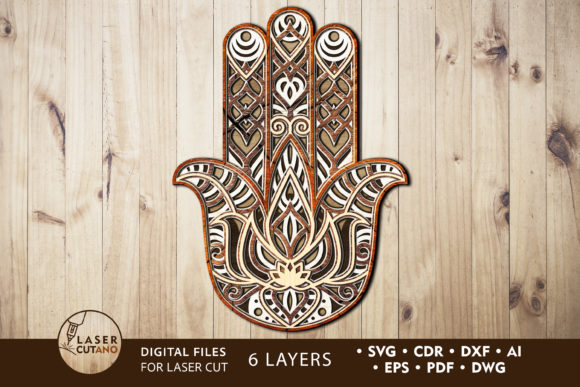
The Multilayer Cut File HAMSA for Laser Cut is a versatile and professionally crafted digital resource that enables creators to produce intricate, layered designs using laser cutters, CNC routers, and other precision cutting tools. Rooted in cultural symbolism, the Hamsa design represents protection, power, and positive energy, making it a popular choice for decorative items, home décor, jewelry, and more. With its multilayer layout, this file format offers a creative foundation for turning traditional symbols into modern art pieces.
Understanding the Multilayer Cut File Format
A multilayer cut file is essentially a set of design layers that are stacked and assembled to create a 3D-like effect or add depth to a flat surface. The Hamsa multilayer cut file is designed specifically with laser cutting in mind, ensuring clean lines, accurate spacing, and compatibility across various materials. Each layer serves a purpose—some may form the background while others contribute to the foreground, allowing for rich visual textures when combined.
This type of file is particularly useful when you want to maintain detail without sacrificing structural integrity. For instance, thin elements in smaller sizes might break during the cutting process, but with the right material thickness and careful planning, you can achieve a durable and aesthetically pleasing result.
Integration into Creative Workflows
When incorporating the Multilayer Cut File HAMSA for Laser Cut into your workflow, consider how it fits within your project lifecycle. Whether you're designing custom gifts, branding assets, or educational materials, the Hamsa motif provides a meaningful and visually striking element. Here’s how it can be used effectively:
- Pre-Project Planning: Use the file as a template to visualize how the final product will look before purchasing materials. This helps in estimating costs and selecting appropriate resources.
- During Production: The file is compatible with multiple software platforms and machines, so it streamlines the cutting process. You can adjust the size based on your needs, but always ensure that thinner parts won’t compromise the structure if scaled down.
- Post-Cutting Assembly: After all layers have been cut, the next step is gluing them together. It's recommended to paint or finish each piece before assembly to avoid smudging and ensure vibrant colors.
Compatibility and Material Recommendations
To get the best results from the Multilayer Cut File HAMSA for Laser Cut, it's important to use materials that work well with laser technology. Commonly recommended options include:
- Plywood and MDF: These wood types offer a smooth surface and consistent results, especially when working with the standard layer thickness of 3–6 mm (1/8in – 1/4in).
- Acrylic and Plexiglas: Ideal for creating transparent or colored versions of the Hamsa symbol, these materials require precise settings to prevent melting or charring.
- Metal Sheets: Suitable for engraving or etching, metal adds a premium and long-lasting touch to the finished product.
- Cardboard and Paper: Great for quick prototypes or lightweight decorative items, though they may not be as durable as wood or acrylic.
Each file comes in a .zip package containing formats like .AI, .SVG, .DXF, .DWG, .CDR, .EPS, and .PDF, which makes it adaptable for different software and machines such as Cricut, Epilog lasers, and Roland routers. Before using any files, remember to extract the .zip folder to access the individual design layers.
Design Specifications and Practical Tips
The Hamsa multilayer design features a circular layout with a total size of approximately 11 x 15.15 inches. This dimension is suitable for most common projects, but you can scale it up depending on your requirements. However, reducing the size should be approached cautiously—thin elements may become fragile or inaccurate when scaled too small.
Here are some practical tips for handling the Multilayer Cut File HAMSA for Laser Cut:
- Material Thickness: Stick to the recommended thicknesses for wood and similar materials to maintain dimensional accuracy and ease of assembly.
- Layer Organization: Keep track of each layer’s function. Labeling them in your design software can save time during the cutting and assembly phases.
- Painting Technique: Apply paint evenly and allow each layer to dry completely before moving on to the next. Using spray paint or brush-on acrylics can yield excellent finishes.
- Gluing Strategy: Choose a strong adhesive suitable for your material. Apply glue sparingly to avoid excess seepage, which can mar the appearance of the final product.
Use Cases and Real-World Applications
The versatility of the Multilayer Cut File HAMSA for Laser Cut allows it to be integrated into a wide range of applications:
- Home Décor: Create wall art, keychains, or coasters that bring cultural meaning and aesthetic appeal to living spaces.
- Jewelry Design: With minor adjustments, the Hamsa can be transformed into pendants, earrings, or rings by scaling down the design and using thinner materials like brass or aluminum.
- Custom Gifts: Offer personalized gifts such as engraved wooden boxes or acrylic plaques featuring the Hamsa symbol, perfect for birthdays, anniversaries, or spiritual events.
- Business Branding: Incorporate the Hamsa into signage, logo elements, or promotional items to add a unique and symbolic touch to your brand identity.
- Educational Tools: Teachers can use this design in classroom projects related to geometry, symmetry, or cultural studies to engage students creatively.
By integrating the Hamsa design into these contexts, creators can blend functionality with meaning, offering products that resonate emotionally and visually with users.
Workflow Examples and Implementation
Let’s walk through a simple workflow example using the Multilayer Cut File HAMSA for Laser Cut:
- Select Your Project Type: Decide whether you’re making wall art, a pendant, or another item. This will influence material choice and scale.
- Choose Compatible Software: Open the file in Adobe Illustrator, CorelDRAW, or any vector-based software that supports your machine’s requirements.
- Adjust Size and Layers: If needed, resize the design but keep an eye on delicate details. Export each layer separately to avoid confusion during cutting.
- Prepare Materials: Cut out each layer using your preferred machine. Ensure proper alignment and consistency between layers for seamless assembly.
- Finish and Assemble: Paint the pieces, let them dry, and then carefully glue each layer together. Allow the adhesive to cure fully before displaying or using the finished item.
This structured approach ensures that every step is handled efficiently, minimizing errors and maximizing creativity. It also allows room for customization—whether you’re adding color variations, adjusting layer heights, or embedding additional motifs around the Hamsa.
Quality Control and Long-Term Use
Maintaining high-quality output is essential when using the Multilayer Cut File HAMSA for Laser Cut. To do this, focus on the following aspects:
- Machine Calibration: Ensure your laser cutter or CNC router is properly calibrated. Misalignment can lead to uneven cuts or gaps between layers.
- Consistent Material Quality: Use uniform sheets without warping or imperfections to ensure clean, repeatable results.
- Storage and Reuse: Store unused or spare layers in a safe place for future projects. These files can be repurposed in various ways over time, enhancing their value.
For long-term use, back up your digital files in an organized folder system. Labeling them clearly helps when revisiting past projects or adapting the design for new ones. Also, consider sharing your completed works online or in marketplaces to showcase the effectiveness of the Hamsa multilayer design.
Combining with Other Resources and Tools
While the Multilayer Cut File HAMSA for Laser Cut stands alone as a powerful design tool, it can also complement other assets and methods:
- Design Software Integration: Use programs like Inkscape or AutoCAD to modify the file further or combine it with other patterns like mandalas or geometric shapes for enhanced visuals.
- Laser Cutting Platforms: The file is optimized for use with both beginner and professional-grade laser cutters, making it accessible for hobbyists and entrepreneurs alike.
- Collaboration Opportunities: Share the file with collaborators or team members who handle painting, finishing, or packaging to streamline production processes.
These integrations highlight how the Hamsa multilayer file can fit into larger creative ecosystems, supporting efficiency and collaboration at every stage.
Final Thoughts on Workflow Efficiency
Incorporating the Multilayer Cut File HAMSA for Laser Cut into your workflow doesn't just enhance the quality of your projects—it also improves productivity. By leveraging pre-designed, scalable templates, you reduce the need for manual drafting and minimize trial-and-error during production. This is especially valuable when working under tight deadlines or managing multiple orders.
Moreover, understanding how to manipulate and adapt the file ensures that you can meet diverse client needs or explore personal creative goals. Whether you're a small business owner looking to expand your product line or a DIY enthusiast experimenting with new techniques, the Hamsa multilayer cut file is a reliable and inspiring asset.
As you move forward with your next project, consider how the Multilayer Cut File HAMSA for Laser Cut can serve as both a functional and artistic component. Its thoughtful design and compatibility with modern tools make it a standout option for anyone interested in blending tradition with innovation.