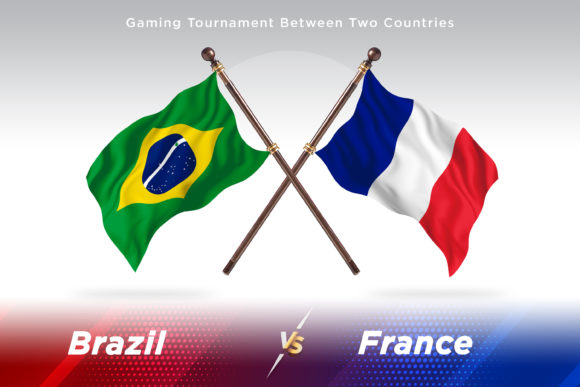
Brazil Versus France Two Flags
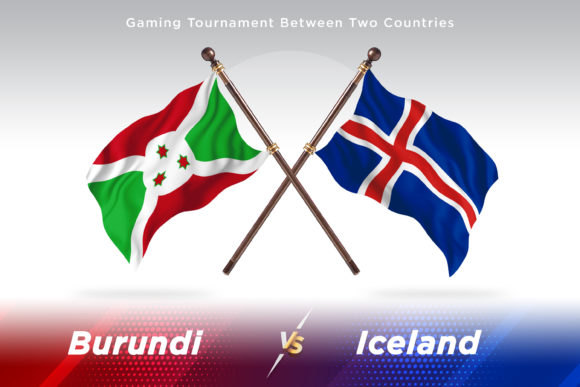
When it comes to visual design, especially in the realm of international representation or comparative content, having a clear and professional illustration can make all the difference. The Brazil Versus France Two Flags concept is a powerful tool for designers, marketers, educators, and content creators who want to visually represent these two countries in a clean and organized format. This type of graphic typically features the official flags of Brazil and France placed side by side or in contrasting positions against an isolated background, often in 3D waving style, allowing for dynamic use in various projects.
What Is Brazil Versus France Two Flags?
The term Brazil Versus France Two Flags refers to a visual design that juxtaposes the national flags of Brazil and France. These flags are usually presented on separate layers, each clearly labeled with its country name, making them easy to edit and integrate into larger compositions. The package often includes high-resolution formats such as PSD, JPEG, and PNG files, which support different editing needs — from layered Photoshop work to ready-to-use images for web or print.
This kind of design is particularly useful when creating content that highlights differences or similarities between the two nations. Whether it's for educational materials, promotional campaigns, or data visualization, this resource offers flexibility and professionalism.
Real-World Use Cases
Here’s how the Brazil Versus France Two Flags concept can be applied across different industries and scenarios:
- Marketing Campaigns: When promoting products or services in both Brazilian and French markets, using their flags side by side can help create a sense of local relevance. For instance, a travel company might feature the flags in a banner highlighting dual destination packages — one week in Rio de Janeiro, one week in Paris.
- Cultural Comparisons: Educators or content producers working on cultural studies or geography lessons can use the flags to start discussions about the history, language, and traditions of each country. A well-designed flag comparison helps viewers grasp key points at a glance.
- Event Branding: If you're organizing an international event — like a sports tournament or a conference involving teams from Brazil and France — this visual element adds authenticity and makes branding more inclusive. It could appear on posters, invitations, or social media posts.
- Graphic Design Projects: Designers can incorporate the flags into presentations, infographics, or website headers where they need to emphasize contrast or partnership between the two countries. The smart object layering in the PSD file allows for quick customization without losing quality.
Who Can Benefit Most?
Several types of users find the Brazil Versus France Two Flags resource incredibly valuable due to its clarity and adaptability. Here’s a closer look at who stands to gain the most:
- Graphic Designers: With the ability to edit via smart objects and access to well-organized layers, this design becomes a time-saver. You don’t have to manually adjust each flag or worry about resolution issues when scaling up or down.
- Content Creators: Bloggers, YouTubers, or Instagrammers discussing topics like travel, politics, or economics can leverage this visual to enhance engagement. Imagine a post titled “Brazil vs. France: A Cultural Clash or Harmony?” — the flags serve as a visual anchor right from the start.
- Businesses with Global Reach: Companies looking to expand into South America and Europe may use this design in marketing collateral or internal reports to illustrate regional strategies or partnerships. It's also handy for sales presentations aimed at stakeholders in both regions.
- Academic Institutions: Professors and students in political science, international relations, or business courses can use the flags as part of case studies, slides, or classroom decorations. The visual contrast helps reinforce learning points during lectures or group discussions.
Practical Examples of Application
Let’s dive into some concrete examples to see how versatile this design can be:
- A political analyst might include the flags in a chart comparing voter turnout in recent elections in Brazil and France. The flags add context and make the data instantly recognizable.
- An e-commerce site selling region-specific items (like wines from France and coffee from Brazil) could use the flags in product categories or banners to target users based on location or interest.
- A travel agency brochure could show the flags next to itinerary highlights, giving potential customers a visual cue about the destinations they’re considering.
- In a multinational corporation’s annual report, the flags might appear in sections detailing market share, regional growth, or team diversity — reinforcing the company’s global presence.
Considerations Before Using Brazil Versus France Two Flags
Before incorporating the Brazil Versus France Two Flags into your project, there are several practical considerations to keep in mind:
Resolution and Format: Ensure the chosen file format suits your platform. The JPEG is great for web use, while the PNG works better if transparency is needed. The high-resolution PSD is ideal for detailed editing but requires Adobe Photoshop or compatible software.
Layer Organization: The fact that each flag is on its own layer means you can move, resize, or replace them individually. However, if you’re not familiar with layered design files, it might take some time to navigate the structure. That said, the organization is usually intuitive, even for beginners.
Contextual Relevance: Just because you have the flags doesn’t mean they should always be used. Consider whether the contrast or comparison actually adds value to your message. Sometimes, including too many flags can clutter the design and dilute the main point.
Additional Flags: While the current bundle includes only Brazil and France, it's worth noting that the resource is scalable. If your project involves other countries, you can request additional flags to be included. This adaptability makes it suitable for broader international comparisons beyond just the two featured here.
Strengths and Limitations
Every design resource has its pros and cons. Let’s break down what to expect when using Brazil Versus France Two Flags:
- Strengths:
- High-quality 4500 x 3000 px resolution ensures sharp visuals even when printed or scaled.
- Smart objects allow non-destructive editing, so changes are easy to reverse or tweak.
- Well-organized layers save time and reduce errors during the editing process.
- Multiple file formats offer flexibility for different platforms and workflows.
- Limitations:
- Exclusivity to only two flags may limit usage in broader geographic contexts unless you request additions.
- Designers unfamiliar with layered Photoshop files might struggle initially, though most resources come with basic instructions or templates.
- If the flags are used inappropriately (e.g., reversed, miscolored), it can lead to misunderstandings or unprofessional appearance. Always double-check the colors and proportions before finalizing any design.
How to Get Started with the Resource
Using the Brazil Versus France Two Flags is straightforward once you understand the file setup. Open the PSD in Photoshop, locate the smart objects, and edit them as needed. You can change backgrounds, add text, or combine the flags with other graphics to build a compelling visual narrative.
For those who prefer a plug-and-play solution, the JPEG and PNG files are ready to use in PowerPoint, Canva, or any image-based platform. Simply drag and drop the image into your layout and adjust the size to fit your composition.
Customization Tips
To maximize the utility of this design, consider these tips:
- Use the flags as symbols in charts or graphs to represent data points related to each country.
- Add country names or slogans beneath each flag to give the design more context.
- Play with color overlays or gradients in the background to match your brand or theme.
- Insert the flags into a timeline or map to show historical or geographical relationships.
Where to Apply It Next
Now that you’ve seen how the Brazil Versus France Two Flags can be used, think about the possibilities for your next project. Maybe you're planning a presentation for a client based in São Paulo and Paris? Or perhaps you're designing a logo for a bilingual startup? This resource can help you stand out by providing a polished, professional visual that speaks directly to your audience.
Also, remember that the design is not limited to static use. With the 3D waving effect, you can animate the flags slightly in digital projects to catch attention without overdoing it. It’s subtle enough for professional settings but eye-catching for marketing purposes.
If you're working on a project that requires more than just these two flags, let the designer know — adding more flags is possible and can turn this into a comprehensive world flags collection tailored to your specific needs. The beauty of this resource lies in its modularity and scalability, making it a go-to choice for diverse applications.