Nigeria Waving Flag – A Vibrant Representation of National Identity in Design
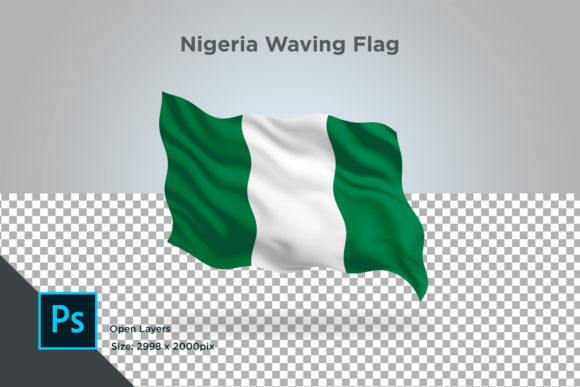
The Nigeria Waving Flag is a powerful visual element that brings the national flag to life with dynamic motion and realism. Often used in digital design, marketing materials, or editorial content, this illustration captures the essence of Nigeria’s heritage and pride in an engaging 3D format. When incorporated into creative projects, it serves as a symbol of unity, culture, and the spirit of the nation.
What Is the Nigeria Waving Flag?
The Nigeria Waving Flag refers to a high-quality, animated-style illustration of the Nigerian flag in a waving position. This graphic is typically presented in formats like PSD and JPEG, making it suitable for both print and digital use. The flag features the traditional three vertical stripes—green, white, and green—with a prominent black equilateral triangle at the hoist side. These colors represent various aspects of the country: green for agriculture and natural resources, white for peace and unity, and black for the people and their strength.
What makes the Nigeria Waving Flag particularly unique is its 3D waving effect, which adds depth and movement to what would otherwise be a static representation. This animation-like quality allows the flag to stand out visually, especially when used in presentations, websites, or promotional materials where attention-grabbing elements are key.
Key Features of the Nigeria Waving Flag Illustration
- High-Resolution Quality: The illustration comes in a large size of 2998 x 2000 pixels, ensuring clarity and sharpness even when scaled up for banners or posters.
- Layered Structure: Each component of the flag is isolated on its own layer, allowing designers to modify individual elements without affecting the rest of the composition.
- Smart Object Support: The PSD file includes smart objects, enabling users to edit the design efficiently using Adobe Photoshop. This feature is especially beneficial for those who want to personalize the flag with new text, logos, or branding elements.
- Well-Organized Layers: The structure of the file is clean and logical, making it easy to navigate and work with, even for beginners or intermediate users.
- Official Accuracy: As part of a broader collection of official country flags, the Nigeria Waving Flag maintains fidelity to the actual proportions and colors of the national emblem.
When to Use the Nigeria Waving Flag
The Nigeria Waving Flag is ideal for a range of design applications, including but not limited to:
- Marketing Campaigns: For businesses targeting the Nigerian market or celebrating events related to Nigeria, the waving flag can serve as a strong visual anchor.
- Event Promotions: Whether it's a sports event, cultural festival, or international conference, the flag adds a sense of occasion and national pride.
- Website Headers and Banners: Its high resolution and layered format make it suitable for web-based graphics that require adaptability and responsiveness.
- Social Media Graphics: The dynamic appearance of the waving flag helps increase engagement and resonance among audiences familiar with Nigerian culture.
Strengths and Tradeoffs of Using the Nigeria Waving Flag
One of the main strengths of the Nigeria Waving Flag is its ability to convey emotion and symbolism effectively. Unlike flat images, the waving style evokes a sense of movement and energy, which can enhance the overall feel of a design. Additionally, being part of a global flag bundle means it integrates well with other country flags, providing consistency in international-themed visuals.
However, there are some tradeoffs to consider. The detailed nature of the 3D illustration may require more advanced design skills to fully utilize all its features, such as adjusting lighting or perspective. While the smart object functionality simplifies editing, users unfamiliar with Photoshop might find it challenging at first. Also, if your project requires a minimalist aesthetic, the waving flag might introduce unnecessary complexity.
Comparing the Nigeria Waving Flag with Other Flag Representations
There are several ways to represent national flags in design, each with its own set of advantages and limitations. Here’s how the Nigeria Waving Flag stacks up against common alternatives:
Flat Vector Flags
Flat vector flags offer simplicity and scalability. They’re perfect for logos, infographics, or small-scale prints. However, they lack the dynamic visual appeal of the Nigeria Waving Flag. If you need something subtle and professional, a flat vector could be better suited than a waving version.
Static 3D Flags
Some flag illustrations present the flag in a 3D format but without any motion or wave. These designs add depth and realism but don’t capture the lively essence that the Nigeria Waving Flag provides. Static 3D flags are great for architectural or product mockups where a realistic backdrop is needed, but for storytelling or emotional impact, the waving option is superior.
Animated GIF Flags
Animated GIF versions of the Nigeria flag are another alternative. These are commonly used online for celebratory purposes or background effects. However, they often come with lower resolution and limited customization options compared to the PSD version of the Nigeria Waving Flag. Plus, integrating them into complex design files can be less flexible.
Best-Fit Situations for the Nigeria Waving Flag
The Nigeria Waving Flag excels in situations where visual dynamism is required to highlight national identity. Some best-fit scenarios include:
- Creating patriotic or celebratory posters for Independence Day or World Cup events.
- Designing landing pages for organizations operating in or serving Nigeria.
- Producing educational content about African nations or international relations.
- Incorporating the flag into multi-layered compositions alongside other flags for global awareness campaigns.
For instance, a designer working on a travel brochure about West Africa could use the Nigeria Waving Flag to emphasize the vibrancy of the region’s cultures. In contrast, a user creating a logo for a local business in Lagos might prefer a simpler, flat design to maintain focus on the brand itself.
Limitations and Considerations
While the Nigeria Waving Flag is versatile, it’s important to understand its limitations:
- Software Dependency: The PSD file works optimally in Adobe Photoshop. Users without access to this software may struggle to take full advantage of the editable layers.
- Complexity in Layout: Due to its layered and textured design, the waving flag may not suit every layout. It can overpower minimalist or abstract themes.
- File Size: High-resolution 3D illustrations tend to have larger file sizes, which could affect loading times on websites if not optimized properly.
If you're looking for something more lightweight or compatible with a wider range of tools, consider requesting a simplified version or exploring other styles within the same resource bundle.
How to Choose the Right Flag Format for Your Project
Selecting the appropriate flag format depends on your specific needs and the context of your design. Ask yourself these questions before deciding:
- Do I need the flag to appear active or dynamic, or will a still image suffice?
- Will I be customizing the design extensively, or do I just need a ready-to-use asset?
- Am I designing for print, web, or social media platforms?
- Is there a need for integration with other country flags or assets?
For example, if you're designing a website header that includes multiple country flags, the layered and accurate Nigeria Waving Flag will fit seamlessly. On the other hand, if you’re crafting a simple infographic with minimal text, a flat PNG might be more practical and efficient.
Realistic Examples of Use
Here are some real-world examples of how the Nigeria Waving Flag can be applied:
- Corporate Branding: A multinational company launching a new product line in Nigeria might use the waving flag in promotional emails and landing pages to show regional relevance.
- Cultural Events: Event planners organizing a Nigerian Heritage Festival could incorporate the flag into stage backdrops or invitation templates to create an immersive experience.
- Educational Materials: Teachers preparing lessons on African geography or history might use the flag in interactive presentations to engage students visually.
Alternatives to Consider
Depending on the purpose of your design, you might explore these alternatives:
- SVG Files: Scalable vector graphics are excellent for responsive web design. They allow for resizing without loss of quality and are generally easier to integrate into code-based projects.
- Flag Icons: Small, simplified icons can be used in navigation menus or app interfaces where space is limited and detail isn't necessary.
- Transparent Background Variants: If your design has a busy or colorful background, a transparent version of the Nigeria flag might be preferable to avoid visual clutter.
It’s also worth noting that the bundle containing the Nigeria Waving Flag offers additional flags from around the world. This makes it a valuable resource for projects involving multiple countries, such as global maps or international team showcases.
Conclusion: Making an Informed Choice
The Nigeria Waving Flag is a compelling choice for designers seeking to add energy and authenticity to their work. With its high resolution, layered structure, and realistic motion, it stands out as a premium asset for a wide range of applications. However, it’s important to weigh the design requirements of your project and consider whether the waving effect enhances or distracts from your message.
Whether you choose the Nigeria Waving Flag or a different format, the goal is to ensure the visual representation aligns with your audience’s expectations and your design intent. If you need additional flags beyond the ones included in the bundle, many providers offer the option to request new additions, making it easy to expand your collection as needed.