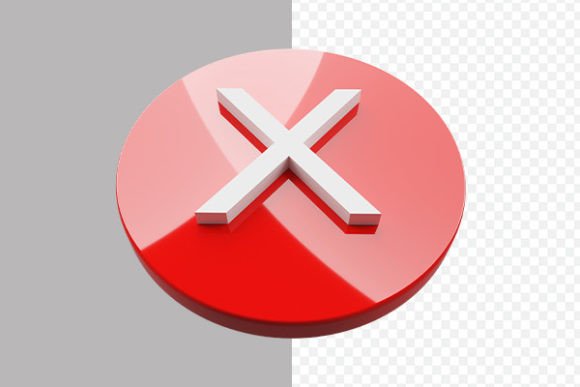
Prohibited Symbol in 3D Design: Meaning, Applications, and Modern Relevance
In the realm of visual communication, symbols play a crucial role in conveying messages quickly and effectively. Among these, the prohibited symbol—often depicted as a cross within a red circle—has become an essential element in design, especially when it comes to 3D design. This article explores how the prohibited symbol is adapted into three-dimensional formats, its significance across industries, and why it has gained renewed attention in today’s digital landscape.
The Evolution of the Prohibited Symbol in Visual Language
The traditional red circle with a diagonal cross is a universally recognized warning or prohibition sign. It appears on everything from traffic signs to safety equipment labels. In two dimensions, this symbol is simple yet powerful. When translated into 3D design, however, it gains a new layer of complexity and impact.
Three-dimensional versions of the prohibited symbol are used in product design, user interfaces, architectural modeling, and even virtual environments. The added depth makes the message more immediate and immersive, which is particularly valuable in fields where spatial awareness matters—such as gaming, engineering, or augmented reality (AR) applications.
Why 3D Design Makes the Prohibited Symbol More Effective
One of the primary reasons for using the prohibited symbol in 3D design is to enhance clarity and visibility. In complex environments like industrial settings or digital platforms, flat icons may get lost among other elements. A 3D version can stand out due to its shape, lighting, and texture, making it easier for users to recognize and respond appropriately.
- Improved User Experience: In UI/UX design, a 3D prohibited symbol can guide users away from restricted areas or actions without relying solely on text.
- Greater Realism: In virtual simulations or training modules, 3D symbols add authenticity and help users understand real-world implications better.
- Enhanced Branding: Companies use stylized 3D versions of the prohibited symbol to reinforce their messaging while maintaining a modern aesthetic.
Industries Embracing the Prohibited Symbol in 3D Design
Several sectors have adopted the prohibited symbol in 3D design to improve functionality and safety. Here’s a closer look at some of them:
1. Automotive and Industrial Safety
Manufacturers and designers in the automotive and industrial fields use 3D models with prohibited symbols to simulate hazardous conditions. For instance, a 3D model of a factory floor might include a glowing red circle with a cross over certain machinery to indicate that access is forbidden without proper training.
2. Video Game Development
In video games, especially those with open-world or simulation mechanics, 3D prohibited symbols are used to mark no-go zones or restricted items. These symbols must be easily recognizable from a distance, often blending into the environment but still standing out when necessary. Their placement and design can influence player behavior subtly yet effectively.
3. Architecture and Interior Design
Architects and interior designers incorporate 3D versions of the prohibited symbol into building models to show fire exits, restricted construction areas, or emergency-only access points. These visual cues help stakeholders—from clients to contractors—understand limitations and regulations before physical work begins.
4. Healthcare and Medical Training
In medical simulators and VR-based training tools, the cross in a red circle can signal dangerous procedures or restricted medications. The 3D aspect allows learners to interact with the symbol in context, improving retention and reducing errors in real-life scenarios.
Designing the Prohibited Symbol in 3D: Best Practices
Crafting an effective 3D prohibited symbol requires careful consideration of several design factors. Here are some key tips for creators working in 3D modeling software such as Blender, Maya, or Cinema 4D:
- Use High Contrast: Maintain the red color and ensure the cross remains clearly visible against the background.
- Optimize Lighting: Position light sources so the symbol remains legible under different environmental conditions.
- Consider Scale and Placement: The size and location of the symbol should align with user interaction patterns and spatial logic.
- Test for Accessibility: Ensure that the 3D symbol works well in both color and grayscale modes, and consider adding alternative text descriptions for accessibility tools.
Technological Advances Driving Demand for 3D Symbols
As technology continues to evolve, the need for dynamic, interactive symbols increases. The rise of AR and VR in education, entertainment, and enterprise solutions has created a growing demand for 3D design elements that communicate rules and restrictions intuitively.
For example, in smart cities or autonomous vehicle systems, 3D prohibited symbols could appear on holographic displays or be integrated into navigation apps to warn drivers about road closures or construction zones. These innovations highlight how the basic concept of a “no entry” symbol is being reimagined for futuristic applications.
Real-World Examples of 3D Prohibited Symbols
To illustrate the practical application of this topic, let’s consider a few examples:
- A freelance 3D designer creating a virtual museum tour includes a red circle with a cross to block off restricted galleries until the user completes a tutorial.
- An entrepreneur launching a safety app uses a 3D version of the prohibited symbol to visually alert workers about high-risk areas in a construction site layout.
- Marketers for a new line of children’s toys use a stylized 3D red-circle cross to indicate age restrictions, helping parents identify unsuitable products instantly.
These cases show how the prohibited symbol in 3D design is not just a static graphic—it becomes part of an interactive experience that enhances understanding and compliance.
Tools and Resources for Creating 3D Prohibited Symbols
If you're interested in incorporating the prohibited symbol into your own 3D projects, there are several tools and platforms available to streamline the process:
- Blender: An open-source 3D creation suite ideal for custom symbol modeling and animation.
- Adobe Dimension: Great for beginners looking to create realistic 3D graphics with ease.
- SketchUp: Popular among architects and educators for integrating symbols into spatial designs.
- Unity or Unreal Engine: Useful for developers embedding 3D symbols into game or simulation environments.
Additionally, many online marketplaces offer pre-made 3D assets featuring common symbols, including the cross in a red circle. These can save time and effort while ensuring consistency in design language across platforms.
Challenges and Considerations
While the benefits of using a 3D prohibited symbol are clear, there are also challenges to keep in mind:
- Consistency Across Platforms: Maintaining uniformity in how the symbol looks and behaves in different contexts can be difficult.
- File Size and Performance: Complex 3D models may increase file sizes, potentially affecting load times or system performance.
- Cultural Sensitivity: While the red-circle cross is widely understood, it's important to verify that the symbol doesn’t carry unintended meanings in specific regions or cultures.
Addressing these issues early in the design process ensures the symbol fulfills its intended purpose without compromising usability or aesthetics.
Future Outlook and Creative Possibilities
Looking ahead, the integration of the prohibited symbol in 3D design is likely to expand further. As more businesses adopt immersive technologies, the ability to convey restrictions through 3D visuals will become increasingly vital.
Moreover, the trend toward personalized user experiences means that designers might explore variations of the symbol tailored to specific audiences. For example, a 3D prohibited symbol could change appearance based on user preferences or language settings, making it more inclusive and adaptable.
Final Thoughts for Designers and Professionals
Whether you're a designer, developer, or business owner, understanding the role of the prohibited symbol in 3D design is essential. Its use goes beyond mere decoration; it serves as a functional element that guides behavior and ensures safety in both physical and digital spaces.
By staying informed about best practices and leveraging the right tools, professionals can integrate these symbols seamlessly into their workflows. The cross in a red circle may seem simple, but in the hands of skilled creators, it becomes a powerful tool for communication in our ever-evolving 3D world.